
Waste oil distillation plant for used and pyrolysis oil
A distillation line refines used lubricating oil, waste fuel oil and pyrolysis oil into lighter, clearer fuel fractions. We build two versions of the same idea — ordinary distillation and catalytic distillation — and the difference between them decides whether your output passes a buyer’s fuel test.
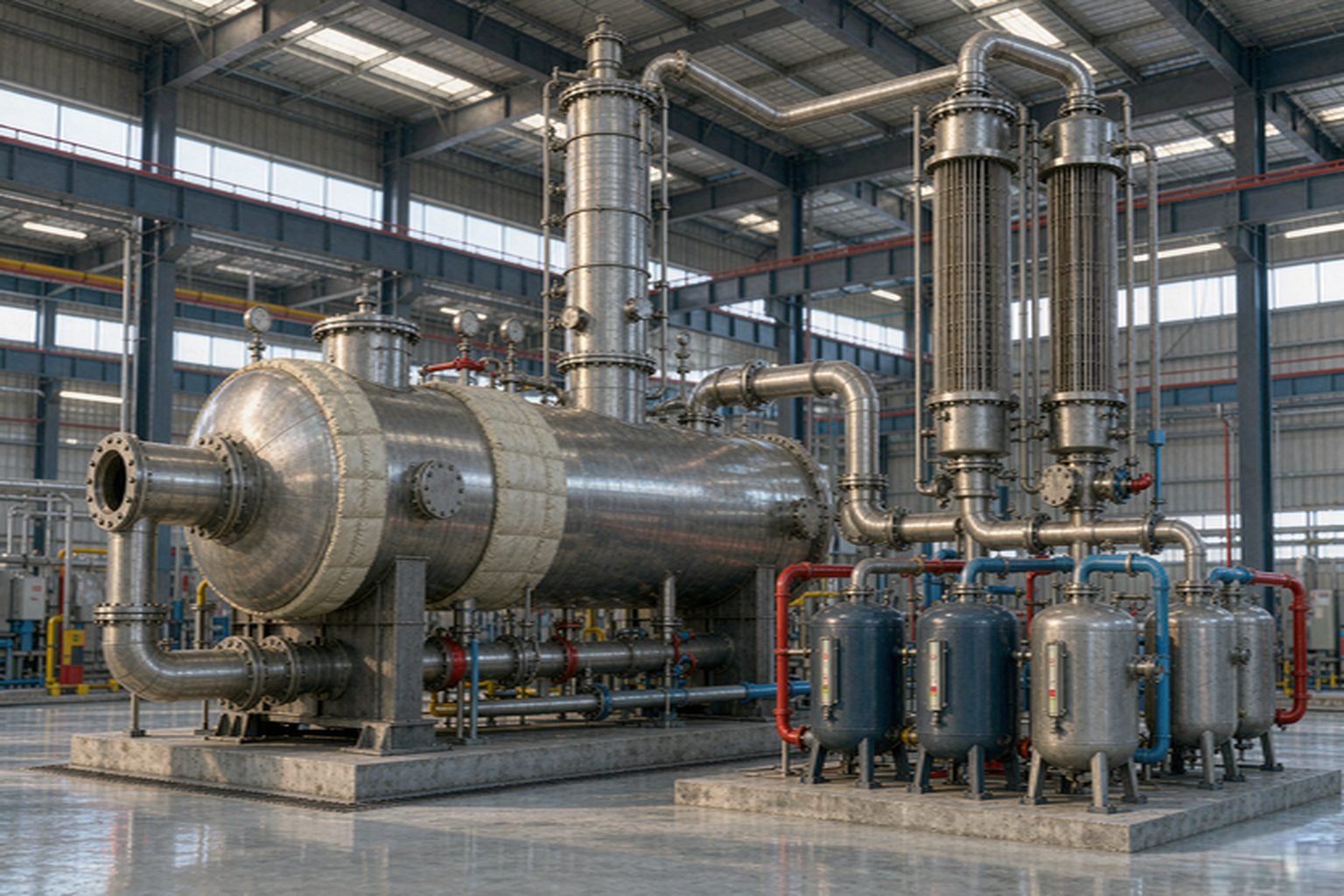
Used engine oil, waste fuel oil, pyrolysis oil
Ordinary or catalytic distillation
Batch / continuous
Light fuel oil fractions
What the plant processes
Distillation works on liquid feed. The two lists below are the honest boundary — send an oil sample and we confirm the route before you commit.
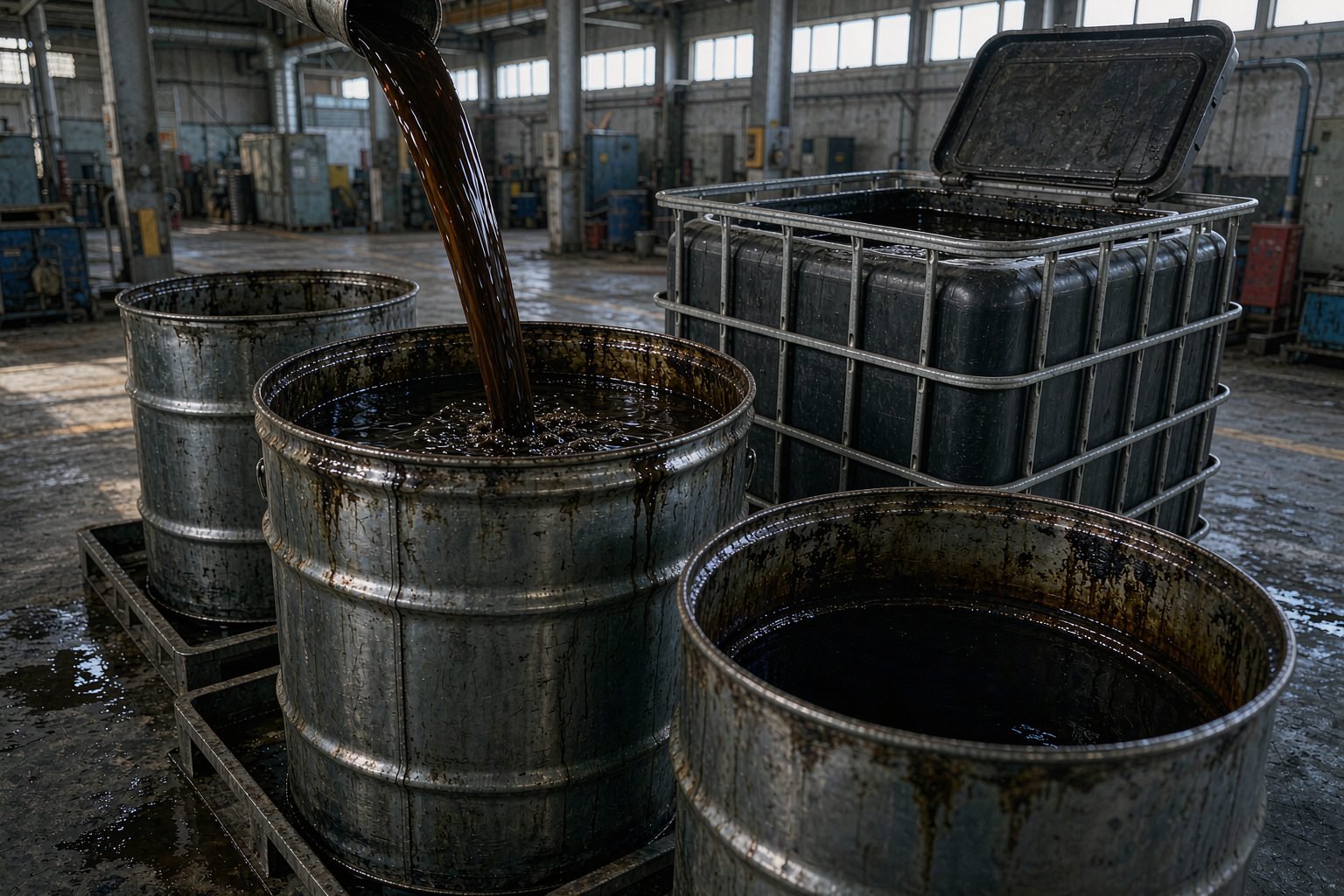
Suitable feedstock
Limits you must know before quoting
- Oil with high water content — needs dehydration first
- Oil with heavy sludge or sediment — pre-filtration required
- Emulsified oil-water mixtures — separation needed first
- Feed with high chlorine or acid value — assessed case by case
- Unknown origin oil — a sample test decides, not an assumption
Two distillation routes, and the difference matters
Both routes heat the oil and condense the vapour. The decisive difference is the catalyst stage between the reactor and the condensers — it is what turns an oil that looks better into an oil that tests better.
Catalytic distillation
The oil is heated in the reactor as usual, but the vapour then passes through a catalytic tower before condensation. While the oil is in the vapour phase, the catalyst promotes desulfurization and refining reactions that simple boiling cannot perform.
The practical effect: the condensed output shows an effectively lower sulfur content, lower flash point and lower density — the three values a fuel buyer tests before signing anything.
- Targets sulfur content, not just appearance
- Lowers flash point and density together with sulfur
- Output suited to buyers who test the fuel spec
- Catalyst is consumed — replacement scheduled in the offer
Ordinary distillation
The oil is heated so the light fractions vaporise and re-condense as a clearer, lighter oil. Colour improves noticeably and heavy residue stays behind in the bottom.
But sulfur is chemically bound inside the oil molecules. Boiling the oil does not break those bonds, so the sulfur content comes down very little — the oil looks better while testing largely the same. Flash point and density also stay close to the feed values.
- Improves colour and removes heavy residue
- Sulfur content barely moves
- Flash point and density largely unchanged
- Lower equipment cost, no catalyst consumption
Side by side:
| Aspect | Ordinary distillation | Catalytic distillation |
|---|---|---|
| Colour | Clear improvement — light fractions replace the dark base oil | Clear improvement, at least equal to ordinary distillation |
| Sulfur content | Minimal reduction — sulfur stays chemically bound and boils with the oil | Effectively reduced — the catalyst promotes desulfurization while the oil is in the vapour phase |
| Flash point | Little change | Reduced along with the lighter, more volatile carry-over |
| Density | Little change | Reduced — output moves toward lighter fractions |
| Equipment | Simpler line, no catalyst to buy or replace | Adds catalytic towers; catalyst is consumed and needs periodic replacement |
| Best suited for | Output sold on appearance into basic fuel markets | Output must meet the sulfur, flash-point and density specs a buyer actually tests |
How far sulfur, flash point and density come down depends on your feed oil and catalyst condition. We test your sample and state the expected output spec in the technical offer — we do not quote a generic number.
From dirty oil to stored fractions
Six stages on a catalytic line; on an ordinary line stage 03 is skipped and the vapour goes straight to the condensers.
01
Intake & pre-treatment
02
Heating
03
Catalytic treatment
04
Condensation
05
Fraction collection
06
Residue discharge
What leaves a distillation line
Upgraded fuel oil
The main output — lighter and clearer than the feed, with the spec profile set by the process route chosen.
Light fractions
The most volatile cut, collected separately and used where a lighter fuel is wanted.
Heavy residue
Stays at the reactor bottom; collected for sale as heavy fuel or disposal per local rules.
Combustible gas
Non-condensable gas returns to the burner, cutting external fuel consumption.
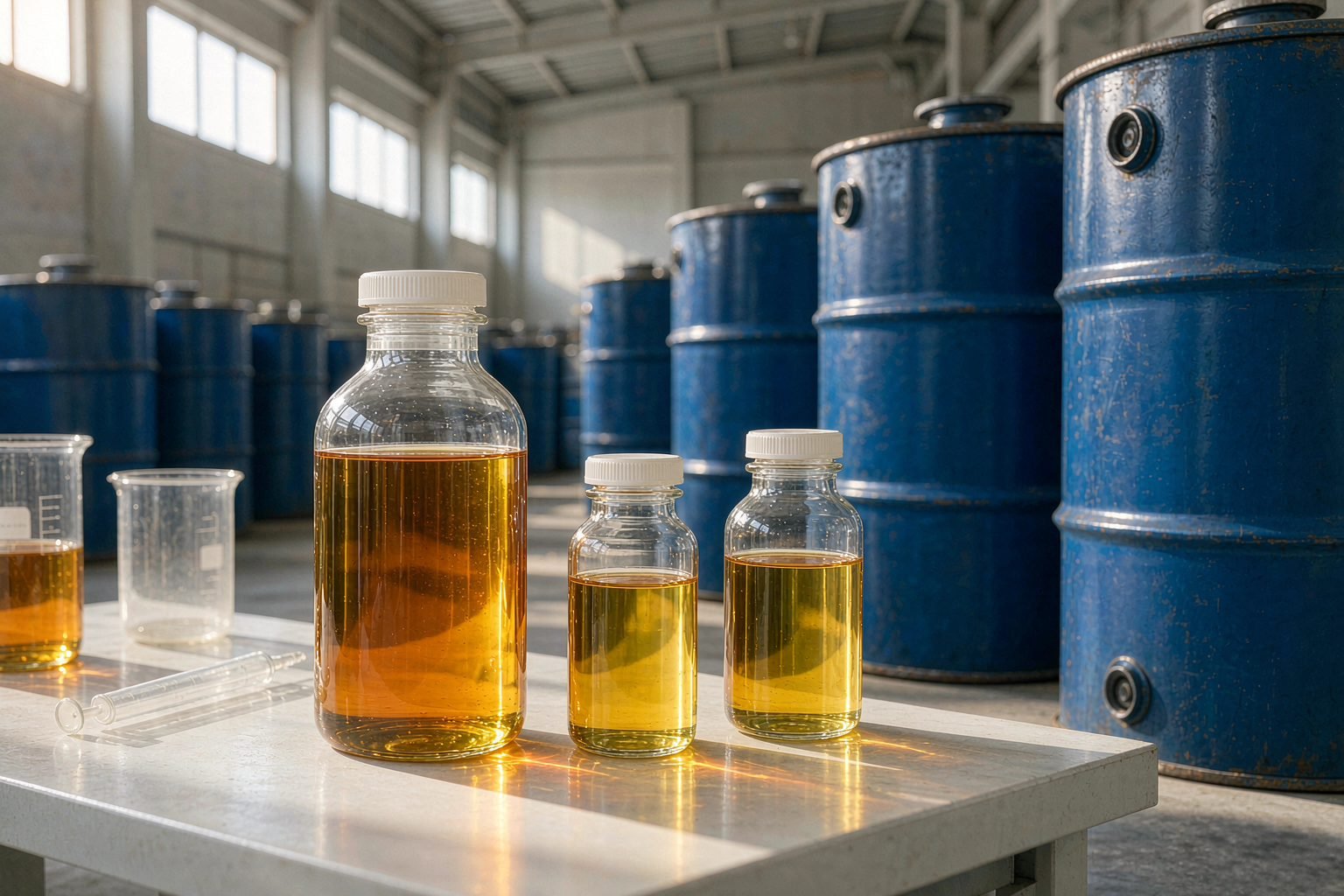
Specification sheet
Values that depend on the project are marked as such rather than filled with a generic figure. The signed technical offer carries the numbers for your line.
| Feedstock | Used oil / waste fuel oil / pyrolysis oil, per sample assessment |
|---|---|
| Process options | Ordinary distillation or catalytic distillation |
| Operating mode | Batch or continuous, set per project |
| Heating method | External burner, fuel oil or gas fired |
| Catalyst | Supplied with the catalytic configuration; replacement schedule stated in the offer |
| Condensation | Water-cooled condenser train |
| Output spec | Stated per project after oil sample assessment |
| Emission control | Scrubber and flue treatment sized to local limits |
| Power & site | Specified from site conditions; layout issued with the proposal |
| Warranty | Per contract terms |
Send your oil data
What surrounds the reactor decides oil quality
The reactor heats the oil; storage, condensation, catalyst management and emission control decide whether the output is sellable and the site can be permitted.
- Feed oil storage tanks and transfer pumps
- Dehydration and filtration pre-treatment
- Catalytic towers with catalyst loading (catalytic lines)
- Water-cooled condenser train and oil-water separator
- Fraction storage tanks with level indication
- Flue gas scrubber and induced draft fan
- Gas recovery line back to the burner
- Control cabinet with temperature and pressure interlocks
Environmental scope
- Flue gas scrubbing before stack
- Vapour recovery on the oil side
- Wastewater collection and separation
- Odour control at tank vents
Permitting is a local process. We prepare the technical documentation your authority asks for; we do not issue permits or guarantee an approval.
Explore the related equipment
Four lines cover the waste-to-oil range. Open the one that matches your feedstock — each page carries the process, specification and enquiry form.
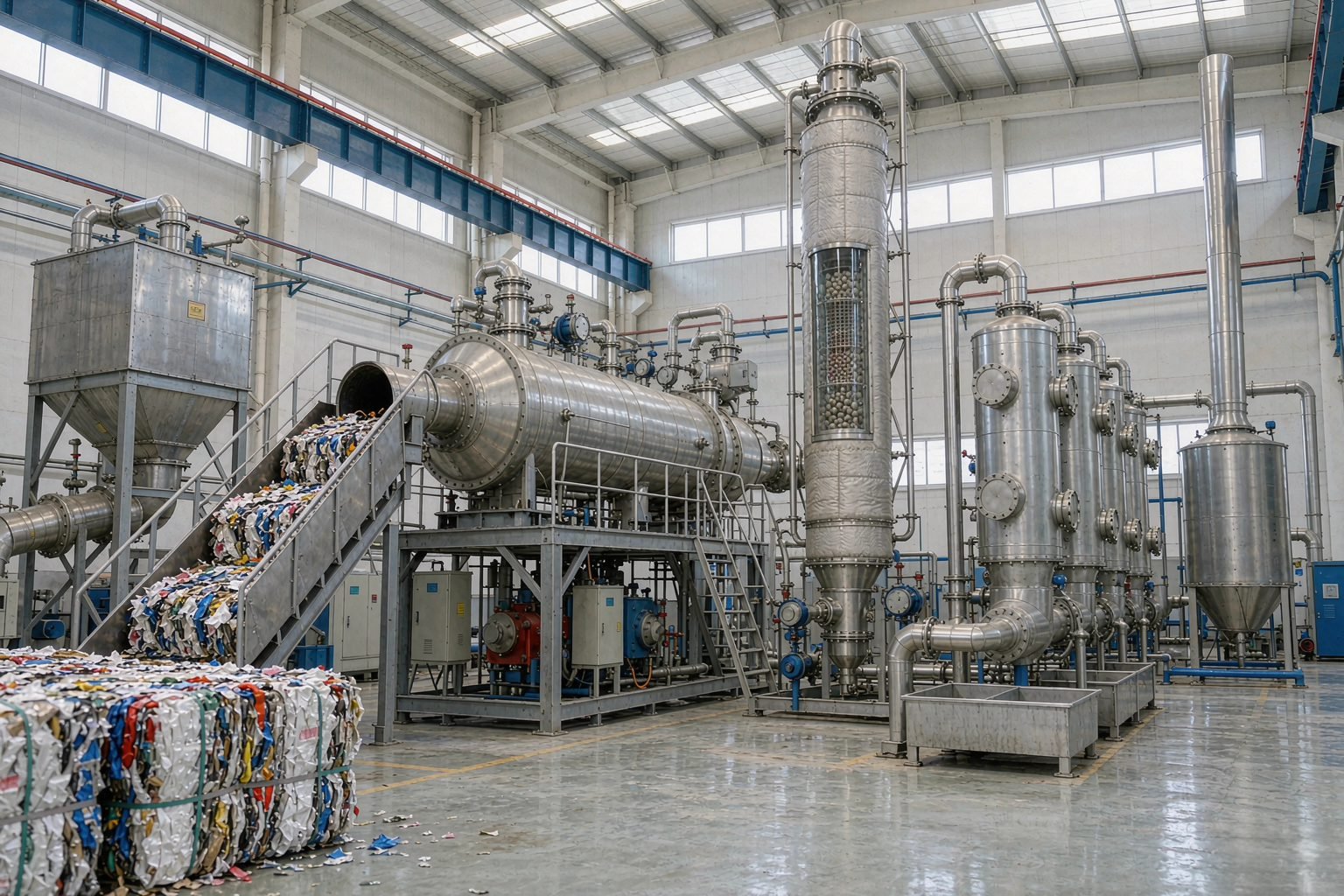
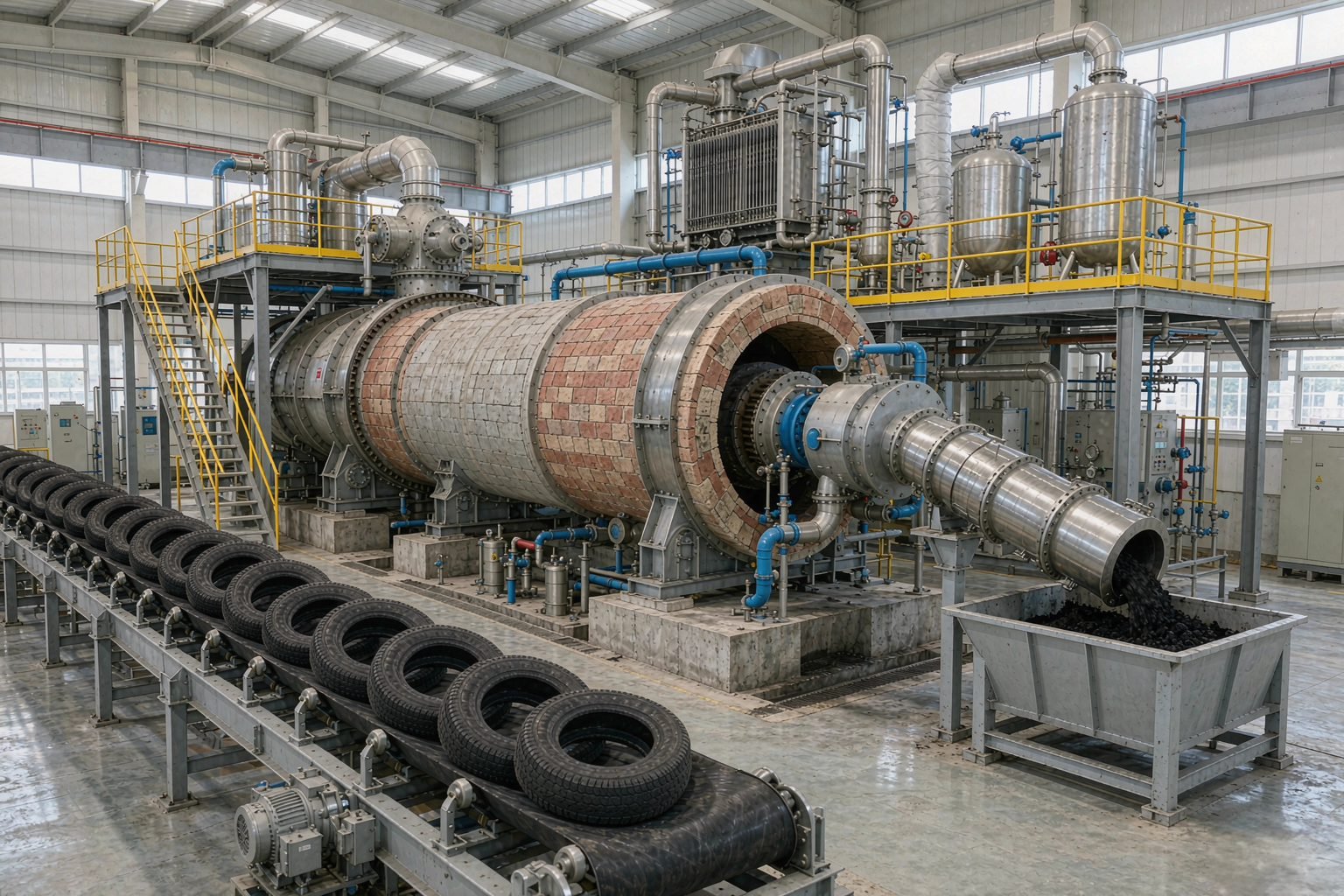
Tyre pyrolysis plant
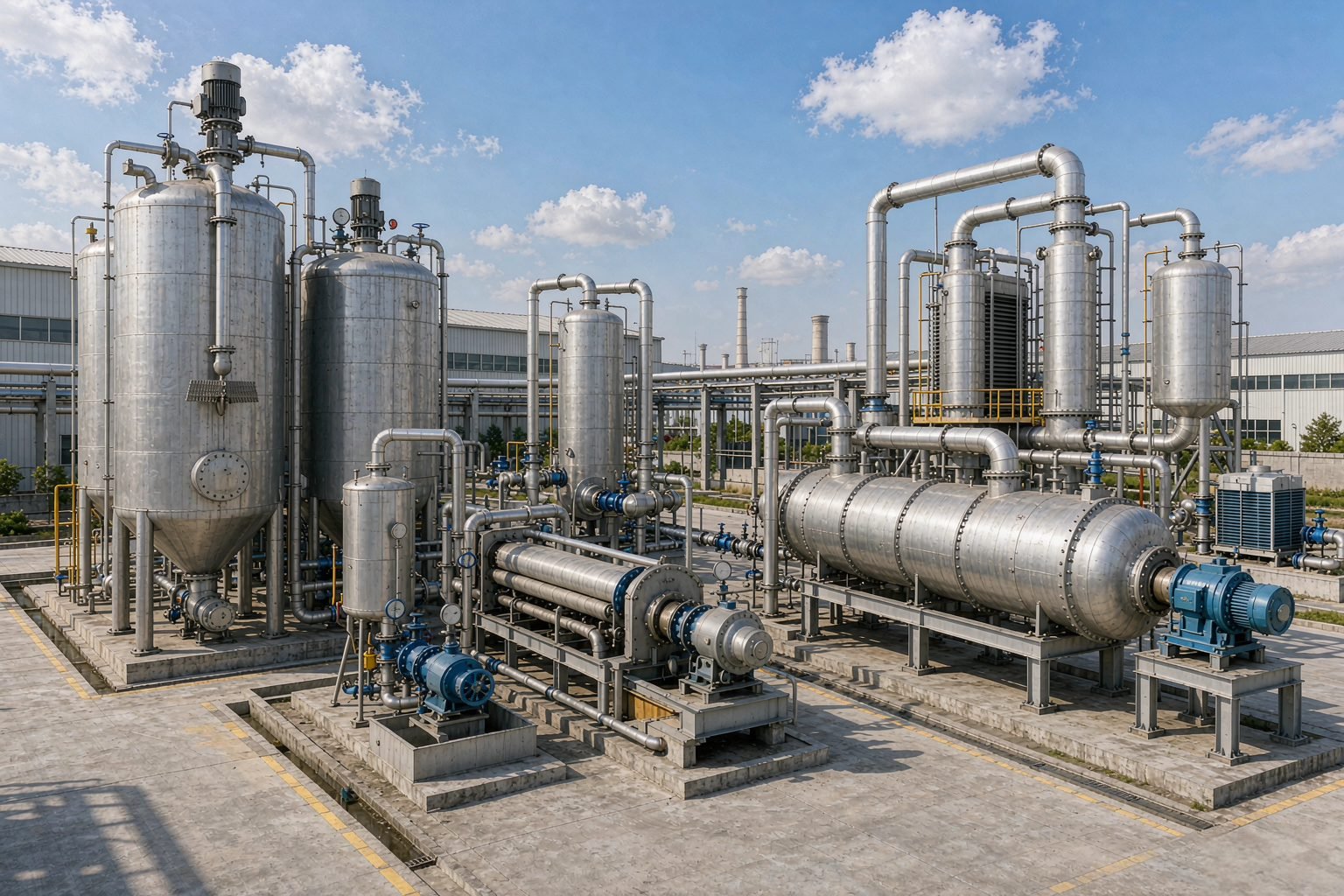
Oil sludge pyrolysis plant
A reference is only useful if it matches your feedstock
Tell us the feed oil type and the output spec your market expects. We will send the distillation projects that actually match — with configuration, commissioning date and the site you can contact — instead of a gallery of unrelated installations.
Before you order
It depends on what your buyer tests. If the output is sold on appearance into basic fuel markets, ordinary distillation is enough. If the buyer measures sulfur, flash point or density, catalytic distillation is the one that moves those numbers.
The reactor and condensation side can stay. Adding catalytic towers means new vessels between reactor and condensers, plus catalyst supply — we design the line so this upgrade path is physical, not just theoretical.
No process removes all sulfur. The catalyst reduces it effectively; how far depends on the feed oil and catalyst condition. We state the expected output spec after testing your sample.
Sulfur is chemically bound inside the hydrocarbon molecules. Distillation separates by boiling point, so the bound sulfur boils straight into the condensed oil — only the catalyst stage promotes reactions that actually break it out.
The feed oil type, target daily tonnage, the output spec your market expects, site location and power supply. An oil sample report makes the quote firm.
Still deciding?
Send the feed oil and the target spec
Tell us what you feed and what your buyer expects back — that pair decides the configuration we quote.
- Oil sample assessment
- Ordinary vs catalytic recommendation
- Layout and delivery terms